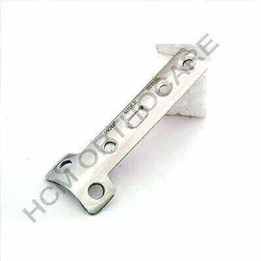
1. Biomechanical Engineering & Clinical Fundamentals of Cervical Plates

Anterior Cervical Discectomy and Fusion (ACDF) remains the gold-standard surgical procedure for addressing degenerative disc disease, cervical spondylotic myelopathy, radiculopathy, disc herniation, and traumatic cervical spine fractures. Central to the success of ACDF interventions is the selection of high-precision, medical-grade cervical plates. These internal spinal fixation constructs serve as essential load-sharing internal splints, designed to maintain segmental lordosis, stabilize the subaxial cervical spine (C3–C7), prevent graft extrusion, and accelerate bone graft osseointegration.

From a structural biomechanics perspective, anterior cervical plates are subject to complex multi-axial mechanical loads, including cyclic flexural fatigue, axial compression, torsional shear, and lateral bending forces. Achieving optimal clinical outcomes requires an acute balance between construct rigidity and dynamic load transfer. Excessive construct stiffness leads to "stress shielding"—a phenomenon where the plate bears disproportionate physiological stress, resulting in graft resorption, hardware looseness, and non-union (pseudarthrosis). Conversely, inadequate fixation causes graft displacement, hardware breakage, loss of cervical alignment, and progressive kyphosis.

At HCM Orthocare, our engineering ethos combines biomedical modeling, sub-micron CNC machining, and rigorous finite element analysis (FEA) to produce ultra-low profile cervical locking plate systems. Engineered specifically to comply with ASTM F136 (Ti6Al4V ELI) and ASTM F138 (Stainless Steel 316L) standards, HCM Orthocare cervical plates deliver superior strain distribution, minimizing dysphagia risks while assuring rigid biomechanical stability.

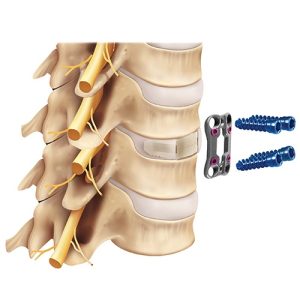
ACDF Spacer with Cervical Plate and Screws — HCM Orthocare Spine Implants
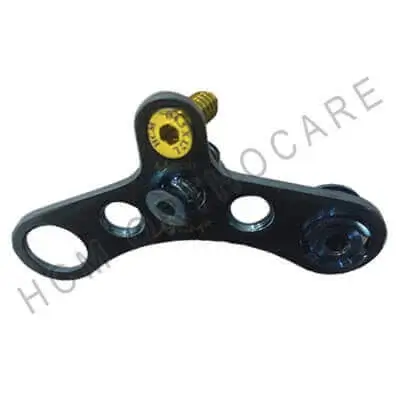
Figure 1: Anatomically Contoured Anterior Cervical Locking Plate with ACDF Interbody Spacer & Variable Angle Bone Screws.

Request Custom B2B Quotations for Cervical Plate Sets

Need ISO 13485 certified spine implants for hospital tenders or OEM distribution? Receive factory-direct pricing with complete CE compliance files.

Send an Inquiry

2. Material Science: Medical Titanium (Ti6Al4V) vs. Stainless Steel vs. PEEK

Selecting the appropriate bio-material for cervical spine fixation directly dictates long-term biocompatibility, radiolucency, cell attachment, and post-operative diagnostic imaging clarity. Surgical implant buyers must evaluate the mechanical parameters of each alloy when procuring inventory for trauma centers and spinal surgery units.

Material Parameter Titanium Alloy (Ti6Al4V ELI - ASTM F136) Stainless Steel (SS 316L - ASTM F138) PEEK (Polyether Ether Ketone)
Elastic Modulus (GPa) 110 GPa (Closer to cortical bone ~18 GPa) 210 GPa (High stiffness, risk of stress shielding) 3.6 GPa (Matches cancellous/bone elasticity)
Tensile Strength (MPa) ≥ 860 – 930 MPa ≥ 690 – 860 MPa ≥ 170 MPa (Reinforced composites)
MRI / CT Artifacts Minimal metallic distortion; MRI safe Significant ferromagnetic scatter / haloing Zero imaging artifact (100% Radiolucent)
Osseointegration Capability Excellent; forms stable TiO₂ passive oxide film Moderate bio-inert response Bio-inert; requires surface treatment/coatings
Corrosion & Fatigue Resistance Exceptional fatigue limit (>10⁷ stress cycles) Good pitting resistance; susceptible to long-term wear High chemical inertness, lower yield limit
Clinical Application Preference Standard of Care for Anterior Cervical Plates Economical trauma fixation & temporary stabilization Interbody Cages, Spacers & Hybrid Composite Plates

Biomedical Expert Insight: HCM Orthocare primarily utilizes Ti6Al4V ELI (Extra Low Interstitial) grade titanium for all cervical plate manufacturing. The reduced content of oxygen, nitrogen, and iron in the ELI grade provides superior fracture toughness and ductility compared to standard Grade 5 titanium, virtually eliminating catastrophic plate breakage under high dynamic neck flexion and extension loads.

3. Structural Mechanics: Rigid, Semi-Rigid, and Dynamic Locking Systems

Modern spinal trauma and fusion techniques require cervical plate constructs engineered for specific anatomical pathologies. HCM Orthocare designs and manufactures three primary mechanical classifications of anterior cervical fixation systems:

A. Rigid (Constrained) Plates

Rigid plates utilize fixed-angle screws that lock securely into the plate at a predetermined angle (typically 0° to 5° convergence). This creates a single-body structure providing rigid fixation.

B. Semi-Rigid (Semi-Constrained)

Featuring variable-angle polyaxial locking screws (allowing up to 12°–15° multi-directional trajectory), semi-rigid plates accommodate micro-motion at the graft-host bone interface, enhancing fusion rates under Wolff's Law.

C. Dynamic (Translational) Plates

Engineered with internal axial compression slots, dynamic cervical plates allow controlled vertical settling (subsidence up to 2-3mm) of the graft. This maintains axial load transmission through the bone graft rather than the plate.

Zero-Backout Screw Locking Technology

Postoperative screw backout poses a critical hazard in anterior cervical surgery, as backout can lead to esophageal perforation, dysphagia, and vascular injury. HCM Orthocare cervical plates incorporate a proprietary dual tactile-visual anti-backout locking mechanism:

  • Integrated Cam-Lock Rings: A pre-assembled rotational nitinol/titanium cam ring that snaps over the screw head upon total seating, confirming locking with a audible tactile click.
  • Cover-Plate Retention Cap: A low-profile blocking screw or slide-lock mechanism that completely caps the bone screw apertures, preventing any retrograde axial movement under cyclic neck vibration.
  • Self-Tapping & Self-Drilling Screws: Precision cut flute geometry reduces insertion torque while maximizing cortical bone thread engagement (pull-out strength > 1400 N).

As a trusted orthopedic implants manufacturer and exporter in India, HCM Orthocare provides comprehensive, high-volume production lines for global hospital groups, orthopedics distributors, and government healthcare tenders.

Anterior Cervical Locking Plate System — HCM Orthocare

Anterior Cervical Locking Plate System

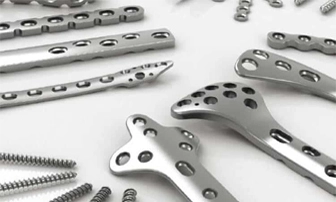
Ultra-low profile (2.0mm–2.4mm thickness) anatomically pre-contoured titanium plate available in 1-level to 4-level reconstruction configurations (14mm to 110mm lengths). Includes variable and fixed locking screws.

Cervical PEEK Interbody Fusion Cage & Spacers

Cervical Spacers & ACDF PEEK Cages

Radiolucent PEEK-OPTIMA cages featuring aggressive tooth serrations to prevent migration, spacious hollow cores for autologous bone grafting, and tantalum radiopaque markers for fluoroscopic positioning.

Posterior Cervical & Thoracic Fixation System

Posterior Cervical Pedicle Screw System

Polyaxial pedicle screws (3.5mm & 4.0mm diameters) with cross-connectors, lateral offset adapters, and titanium rods (3.5mm) designed for complex occipito-cervical and thoracic spine reconstruction.

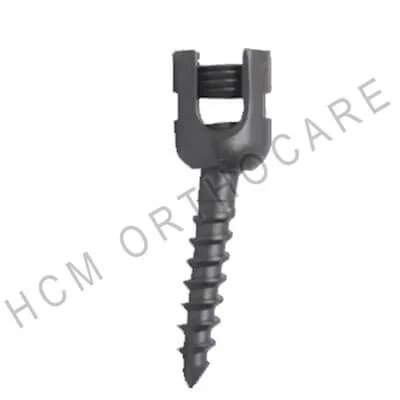
Cervical Locking Bone Screws

Cervical Polyaxial & Fixed Locking Screws

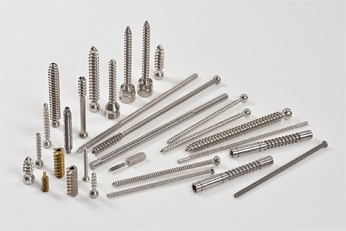
Self-tapping cortical locking screws in standard (4.0mm) and rescue/revision (4.35mm) diameters, lengths from 12mm to 18mm, color-coded anodized titanium for fast intraoperative identification.

Cervical Surgical Instrument Sets

Spine Surgery Instrument Trays

Complete graphic ergonomic instrument sets including plate benders, drill guides (fixed/variable angle), tap drivers, sleeve retractors, and torque-limiting screwdrivers calibrated for precise implantation.

Customized Cervical Trauma Fixation Plates

Custom OEM Cervical & Trauma Plates

Contract manufacturing and private-label OEM solutions engineered to regional customer specifications, utilizing multi-axis CNC Swiss machining and automated surface anodizing facilities.

The global market for cervical fixation implants is experiencing significant evolution, driven by technological breakthroughs in additive manufacturing, minimally invasive spine surgery (MISS), ambulatory surgical center (ASC) demand expansion, and stricter international medical device regulations.

A. 3D-Printed Porous Titanium & Zero-Profile Standalone Systems

Traditional anterior plates require profile clearance over the anterior vertebral bodies, which can occasionally irritate adjacent soft tissue and cause postoperative dysphagia. The industry is rapidly shifting toward Zero-Profile Integrated ACDF Systems, where a porous 3D-printed titanium or PEEK/Ti composite cage is secured directly into the disc space via integrated locking screws or blades. HCM Orthocare is actively investing in selective laser melting (SLM) additive technology to produce trabecular micro-porous structures (50–70% porosity) that accelerate cellular osteogenesis.

B. Patient-Specific 3D Contoured Plates & Navigation Integration

With the rapid adoption of intraoperative O-arm CT scanning and robotic spinal navigation, cervical plates are increasingly pre-contoured using preoperative 3D DICOM reconstructions. This eliminates intraoperative manual bending, preserving the mechanical fatigue life of the titanium alloy while accelerating operative workflow in high-complexity trauma cases.

C. Global Regulatory Tightening & Supply Chain Resilience

With the implementation of the European Union Medical Device Regulation (EU MDR 2017/745) and elevated post-market surveillance requirements globally, hospital procurement teams are consolidating vendors. B2B buyers now demand certified manufacturers offering complete Technical Documentation Files (TDF), full material melt traceability, validated cleanroom packaging, and robust supply chain resilience against geopolitical disruptions.

D. Shift to Direct OEM Sourcing from Certified Indian Hubs

Global medical procurement managers are increasingly shifting supply chain dependencies from high-cost Western manufacturing regions toward premier ISO 13485 Indian med-tech hubs such as Ahmedabad, Gujarat. Manufacturers like HCM Orthocare offer equivalent clinical precision, certified ASTM raw materials, and international regulatory compliance at 40%–60% lower capital expenditure.

Partner with HCM Orthocare for Global Implants Distribution

Scale your medical device supply chain with certified Indian manufacturing excellence. We offer low MOQ, private labeling, and rapid international air freight logistics.

Send an Inquiry

6. Why Choose HCM Orthocare: E-E-A-T & Enterprise Advantages

Google’s Search Quality Rater Guidelines emphasize E-E-A-T (Experience, Expertise, Authoritativeness, and Trustworthiness). For critical class IIb and class III medical devices such as spinal cervical plates, healthcare institutions and distributors require uncompromised quality assurance.

Manufacturing Infrastructure & QC Rigor

  • ISO 13485:2016 Quality Management: Dedicated medical device manufacturing plant located in Ahmedabad, Gujarat, India, equipped with modern CNC 5-axis machining centers.
  • Certified Raw Materials: 100% material traceability. We source verified medical-grade Titanium Ti6Al4V ELI (ASTM F136) and Stainless Steel 316L (ASTM F138) with mill test reports.
  • Class 10,000 Cleanroom Packaging: Ultrasonic multi-stage washing, passivating, and automated double-sterile barrier pouch sealing ensuring SAL (Sterility Assurance Level) 10⁻⁶.
  • 10+ Years of Export Expertise: Supplying hospital chains, healthcare ministries, and orthopedic importers across 50+ countries worldwide.
HCM Orthocare Manufacturing Cleanroom & Export Facility India
HCM Orthocare Facility (Ahmedabad, India): Precision CNC Machining & ISO 13485 Quality Testing Center.

7. Frequently Asked Questions (FAQ) — Global B2B Cervical Plate Sourcing

Addressing the most critical technical, clinical, regulatory, and procurement inquiries raised by international spine surgeons, biomedical engineers, and medical device buyers.

Q1: What are the primary clinical indications for anterior cervical plate fixation? +
Anterior cervical plates are indicated for stabilizing the subaxial cervical spine (C3 to C7) during anterior cervical discectomy and fusion (ACDF) or corpectomy procedures. Key clinical indications include: degenerative disc disease (DDD), cervical spondylotic myelopathy or radiculopathy, traumatic fractures/dislocations, spinal instability post-laminectomy, tumor reconstruction, and revision surgery for failed pseudarthrosis.
Q2: What is the difference between fixed-angle and variable-angle cervical screws? +
Fixed-angle screws form a rigid 90° or pre-set trajectory relative to the plate, creating a rigid constrained construct ideal for high-instability trauma cases. Variable-angle screws feature a spherical polyaxial head allowing trajectory adjustment up to 12°–15° in any plane. This flexibility allows surgeons to target optimal cortical bone stock, accommodate anatomical variations, and promote micro-motion for enhanced bone graft fusion.
Q3: How does plate thickness impact post-operative patient recovery and dysphagia rates? +
Clinical research demonstrates a direct correlation between anterior cervical plate thickness/profile and postoperative dysphagia (difficulty swallowing). Prominent plates (thickness > 2.5mm) can cause mechanical friction against the posterior esophageal wall. HCM Orthocare cervical plates feature an ultra-low profile design (2.0mm to 2.3mm) with smooth, rounded plate borders and countersunk screw heads to minimize soft tissue impingement.
Q4: What biomechanical fatigue testing protocols do HCM Orthocare cervical plates undergo? +
All HCM Orthocare cervical plate designs undergo dynamic mechanical testing in accordance with ASTM F1717 (Standard Test Methods for Spinal Implant Constructs in a Vertebrectomy Model). Testing includes static compression bending, static torsion, and dynamic fatigue flexing up to 5,000,000 cyclic load iterations without mechanical yielding or micro-fissure propagation.
Q5: Are HCM Orthocare titanium cervical plates compatible with post-op MRI scans? +
Yes. Manufactured from medical-grade Ti6Al4V ELI alloy (ASTM F136), our cervical plates are non-ferromagnetic and classified as MRI Safe / MRI Conditional up to 3.0 Tesla scanning environments. Titanium produces negligible diagnostic image artifacts compared to traditional stainless steel plates, allowing clear postoperative visualization of the spinal cord and neural foramina.
Q6: How are emergency rescue screws utilized during cervical plate installation? +
If an primary bone screw strips the cortical bone thread during insertion due to poor bone quality (osteoporosis) or over-torquing, a rescue/revision screw is used. HCM Orthocare provides color-coded oversized rescue screws (typically 4.35mm diameter compared to the standard 4.0mm screw), featuring an aggressive thread profile to re-establish secure torque engagement in the same pilot hole without expanding plate aperture dimensions.
Q7: What is the typical lead time and shipping process for international B2B orders? +
Standard stock items (standard length 1 to 4 level plates and locking screws) ship within 7–10 business days via DHL/FedEx Express air cargo. Custom OEM or private-label production orders typically require 3 to 5 weeks, including raw material verification, CNC machining, anodization, cleanroom packaging, and final export quality audits.
Q8: Does HCM Orthocare provide surgical instrumentation sets with the cervical plates? +
Yes. We supply dedicated, autoclavable graphics instrument trays equipped with all surgical tools required for implantation: plate benders, drill bits with fixed/variable depth stops, sleeves, tap drivers, AWLs, and calibrated torque-limiting screwdrivers designed to prevent screw thread stripping.

Ready to Elevate Your Orthopedic Implant Supply Chain?

Contact our senior technical specialists to request product catalogs, mechanical test validation reports, or factory-direct B2B quotations.

Send an Inquiry