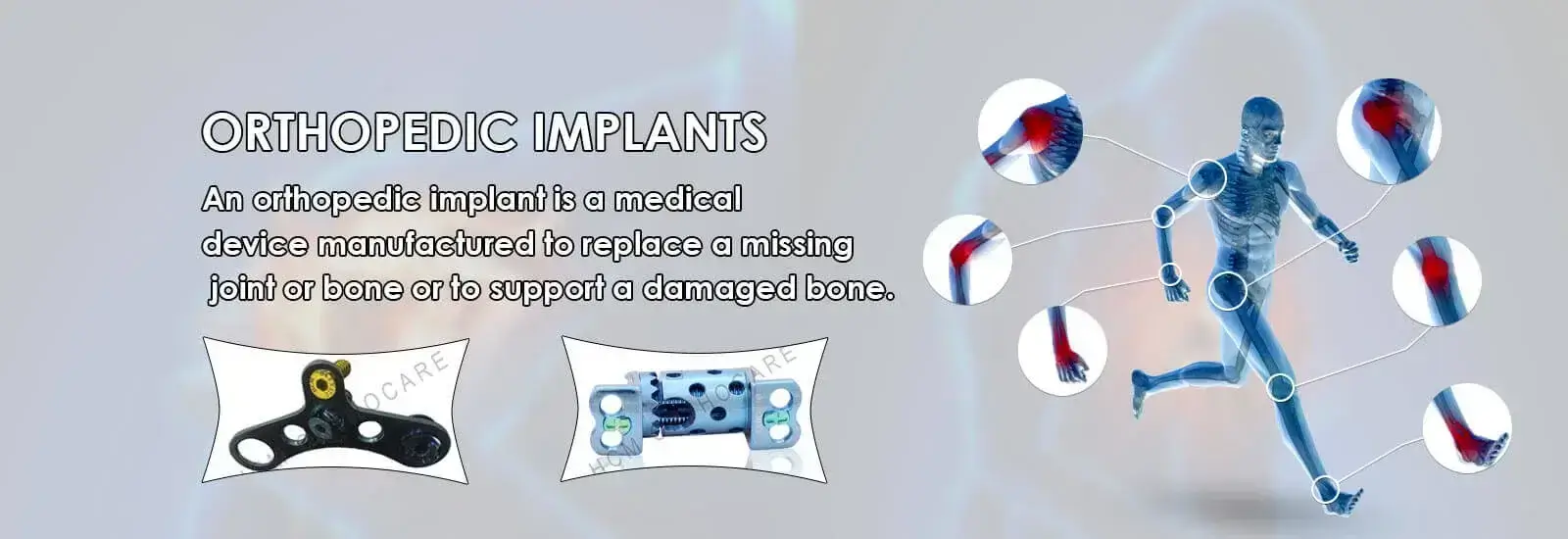

Expert articles, clinical developments, and innovation trends in orthopedic implants and trauma fixation.
In-depth coverage on biocompatible materials, implant engineering, and modern surgical techniques.
Choosing reliable Cortical Screws manufacturers requires more than comparing prices or polished catalog photographs. Buyers must examine thread geometry, core diameter, alloy grade, surface finish, packaging, and traceability. A screw may look precise under bright factory lighting, yet fail procurement review if its inspection records are incomplete.
The global orthopedic devices market remains substantial. Fortune Business Insights valued it at approximately USD 47 billion in 2023, while Grand View Research reported a similar scale, with steady growth expected through the decade. These reports group trauma fixation products within broader orthopedic categories. They do not isolate Cortical Screws perfectly. That limitation matters.
Orthopedic trauma specialist Dr. Stephan Perren has stated, “The function of internal fixation is to preserve fracture biology and provide sufficient stability for healing.” This principle should guide supplier evaluation. Manufacturer capability is not proven by volume alone. It depends on validated machining, fatigue testing, sterilization controls, and consistent documentation.
For global buyers, practical checks include ISO 13485 certification, ASTM F543 testing, material certificates, lot-level records, and regulatory-market experience. A dependable supplier should explain how it controls thread accuracy and prevents burrs around the screw head. Small details matter in real operating rooms.
Some sourcing teams still overvalue unit cost. That is understandable, but incomplete. A lower quotation can conceal inspection delays, inconsistent packaging, or expensive requalification work. The strongest manufacturers combine engineering discipline with responsive communication. They also acknowledge product limits instead of promising universal performance.
This guide examines leading Cortical Screws manufacturers through quality systems, production capacity, customization, compliance support, and buyer feedback. Availability may change by region. Verify every claim before placing an order.
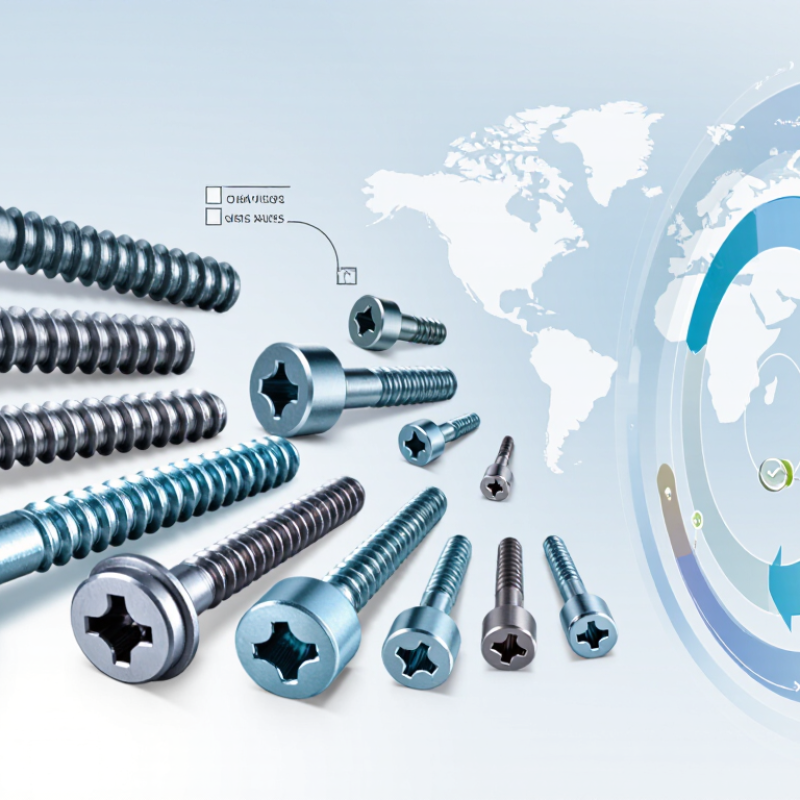
Cortical screws are fixation devices designed for dense outer bone, or cortical bone. Their threads are usually finer and more closely spaced than cancellous screw threads. This geometry improves purchase in hard bone, especially along a narrow shaft. The screw head transfers load to a plate or washer. The core diameter, thread depth, pitch, and tip design all influence stability. Small changes matter.
Common materials include titanium alloys and surgical stainless steel. Titanium can reduce imaging artefacts and support biocompatibility, while stainless steel offers high strength and familiar handling. Applications include fracture fixation, osteotomy stabilization, and selected spinal procedures. Surgeons choose length and diameter through imaging, bone quality, and the intended load path. A screw that looks suitable on a catalogue page may still be unsuitable in fragile or thin cortical bone.
The World Health Organization reports that musculoskeletal conditions affect about 1.71 billion people worldwide. This burden supports continuing demand for reliable fixation systems. A MarketsandMarkets analysis projected the orthopedic devices market to grow from roughly 47 billion dollars in 2023 to more than 60 billion dollars by 2028. Such estimates vary by method, so buyers should read them carefully. For global procurement, manufacturers should demonstrate ISO 13485 quality systems, material traceability, dimensional inspection, fatigue testing, and sterilization controls. Packaging integrity matters too. The weak point is often overlooked: real clinical performance depends on surgical technique, not hardware alone.
Cortical screws are orthopedic fixation screws designed primarily for dense cortical bone. Their fine-pitch threads provide strong purchase in compact bone, while the screw diameter and length are selected according to the anatomical site and fixation requirement.
The chart presents established nominal screw diameters commonly used in orthopedic fixation systems. Typical applications include hand and foot surgery, small-fragment fixation, and large-fragment fixation. Actual selection depends on patient anatomy, implant system, bone quality, and surgical technique.
Selecting a cortical screw manufacturer requires more than comparing prices. Buyers should verify material certificates, dimensional controls, and traceability records for every production batch. ASTM F543 defines mechanical testing methods for metallic bone screws, including insertion torque and pullout strength. A serious supplier should provide recent test results, not only a compliance statement. ISO 13485 certification is also important, but certification alone does not prove consistent clinical performance.
According to Grand View Research, the global orthopedic implants market reached approximately USD 52.4 billion in 2023. This growth increases supplier competition, but it may also encourage rushed qualification. Review titanium or stainless-steel grades, thread geometry, fatigue testing, surface treatment, and sterilization compatibility. Ask whether inspection equipment is calibrated and whether nonconforming parts are investigated. The FDA’s 2023 guidance for orthopedic bone screws also highlights biocompatibility, mechanical performance, and labeling evidence. These details matter when screws must hold firmly in dense cortical bone.
Tips: Request three recent production records and one independent test report. Check lot numbers on certificates against sample packaging. Speak with the quality engineer, not only the sales team. A factory tour can reveal useful details, yet remote audits may miss problems. That limitation deserves honest consideration. Low prices can be attractive, but inconsistent thread profiles may create costly delays, revisions, or clinical concerns. Evaluate response time, complaint handling, and change-control procedures before signing a long-term agreement.
Leading cortical screw manufacturers serve hospitals, distributors, and orthopedic device partners across demanding global markets. Their value depends on more than production volume. Experienced suppliers understand bone density, thread geometry, insertion torque, and surgeon handling. They usually offer titanium alloy or stainless steel options for approved applications. Clear technical drawings matter. So do lot traceability, material certificates, and controlled packaging. These details help buyers compare suppliers without relying on sales claims.
Reliable manufacturers invest in CNC machining, thread inspection, cleaning, and dimensional testing. A practical audit may review gauge records, surface finish, coating controls, and sterilization compatibility. Quality teams should link each lot to raw material, operator, equipment, and release data. International buyers also need stable lead times and responsive engineering support. A supplier that explains tolerances plainly often earns more trust than one using impressive language. Small sample checks can reveal burrs, damaged threads, or inconsistent drive recesses.
The strongest global manufacturers communicate carefully about intended use, regulatory status, and market-specific documentation. They do not promise clinical outcomes without evidence. Buyers should request validation reports, complaint procedures, change-control policies, and certificates from recognized assessment bodies. No supplier is perfect. Some provide excellent machining but weak forecasting. Others deliver documents quickly but struggle with customization. Even careful audits can miss problems during scale-up. A trial order, measured against defined acceptance criteria, can expose gaps early.
Quality begins with controlled materials and repeatable manufacturing. Cortical screws commonly use titanium alloy or surgical stainless steel. Titanium offers corrosion resistance, biocompatibility, and lower imaging interference. Stainless steel can provide strength and familiar surgical performance. Buyers should request material certificates, chemical composition reports, and mechanical test results for each production batch.
Reliable manufacturers work under documented quality systems, such as ISO 13485. Their processes should cover machining, cleaning, packaging, sterilization, and complaint handling. Surface finish matters. Rough threads, burrs, or inconsistent heads may affect insertion and clinical handling. Regulatory files should match the destination market, including applicable FDA, EU MDR, or other national requirements. Compliance is not transferable by assumption. It must be verified product by product.
Tips: Ask for traceability from raw material to carton label. Review test methods, not only test summaries. Confirm shelf-life evidence and packaging integrity. Check whether the supplied documents are current. A polished certificate folder is not proof of dependable production. Samples can look excellent while process control remains weak. That deserves reflection. Arrange an independent audit when volumes or clinical risks are significant. Small gaps in records may signal larger problems.
Global buyers select cortical screw manufacturers by examining more than unit price. They review material certificates, dimensional tolerances, surface finish, and packaging controls. For titanium screws, buyers commonly request alloy specifications and test reports for each production batch. Clear traceability matters when a shipment contains thousands of small, similar-looking components. Paperwork matters.
Experienced purchasing teams also inspect the manufacturer’s quality system and production capability. They may request evidence of controlled machining, cleaning, sterilization compatibility, and final inspection procedures. A remote audit can reveal useful details, such as labeled storage bins and calibrated measuring tools. However, documents alone cannot prove consistent performance. Samples reveal details. Buyers should compare thread sharpness, head geometry, driver fit, and visible burrs under magnification.
Reliable sourcing includes practical discussions about minimum order quantities, lead times, replacement procedures, and export documentation. The supplier should answer technical questions directly and identify limits instead of promising everything. Buyers also check whether packaging protects sterile barriers during long transport and changing humidity. A low quotation can hide inspection gaps or expensive rework. No checklist is perfect. Even careful teams may overlook communication delays, sample variation, or unclear responsibility after delivery. A written specification, approved sample, and documented change-control process reduce these risks. Manufacturers that provide consistent records and realistic explanations are usually easier to evaluate and support over time.
Cortical screws are fixation devices for dense outer bone. Their finer, closely spaced threads improve purchase along narrow bone shafts. Small design differences matter.
Cortical screws usually have finer threads and shorter thread spacing. Cancellous screws generally suit softer, less dense bone. The choice depends on bone quality and the planned load path.
Core diameter, thread depth, pitch, tip shape, and length affect stability. The head transfers load to a plate or washer. A catalogue match can still fail.
Common materials include titanium alloys and surgical stainless steel. Titanium may reduce imaging artefacts and support biocompatibility. Stainless steel offers high strength and familiar handling.
Applications include fracture fixation and osteotomy stabilization. Selected spinal procedures may also use them. The specific use requires professional assessment and approved indications.
Selection should consider imaging, bone quality, screw length, diameter, and load direction. Fragile or thin cortical bone needs particular caution. Appearance alone is not enough.
Request quality-system evidence, material certificates, dimensional inspection records, and fatigue-testing data. Also review sterilization compatibility and packaging-integrity controls. Traceability should connect each lot with raw materials and release records.
Review thread gauges, surface finish, cleaning, drive recesses, and dimensional controls. Check change-control policies and complaint procedures. No audit catches everything.
Small samples can reveal burrs, damaged threads, or inconsistent drive recesses. Trial orders test lead times, documentation, and production consistency. Early findings may prevent larger procurement problems.
Cortical Screws are specialized orthopedic fixation devices designed to secure bone fragments, plates, and other implants, particularly in dense cortical bone. Their fine threads, precise geometry, and material strength support stable fixation while helping surgeons address different anatomical and clinical requirements. This article explains their structure, performance characteristics, and common medical applications, including the factors that influence safety, durability, and surgical handling.
It also presents a practical framework for evaluating Cortical Screws manufacturers in global markets. Key considerations include manufacturing capabilities, quality control systems, material selection, product consistency, documentation, and compliance with applicable medical device standards. Global buyers can use these criteria to compare suppliers, verify certifications, assess customization and packaging options, and establish reliable sourcing processes. By focusing on product quality, regulatory readiness, transparent communication, and dependable supply capacity, purchasers can make informed decisions and build sustainable procurement relationships.