

0%

The Pedicle Screw System is an advanced tool in spinal surgery. It plays a crucial role in stabilizing the spine. Surgeons use it to treat various conditions, including scoliosis and spinal fractures. The system comprises screws, rods, and connectors that work together to achieve spinal stabilization.

Understanding how the Pedicle Screw System functions is essential for both patients and healthcare professionals. It requires precision and skill to implant the screws correctly. This system not only supports mobility but also helps alleviate pain caused by spinal deformities. Nonetheless, there are challenges in placing the screws safely. Inaccurate placement can lead to complications, making surgeon expertise vital.

While advances in technology have improved outcomes, the Pedicle Screw System still requires careful assessment. Its effectiveness depends on proper selection for each patient’s unique anatomy. Continuous learning and adaptation in surgical techniques remain necessary. Surgeons and patients should engage in open discussions about potential risks and benefits. This promotes better understanding and informed decision-making.
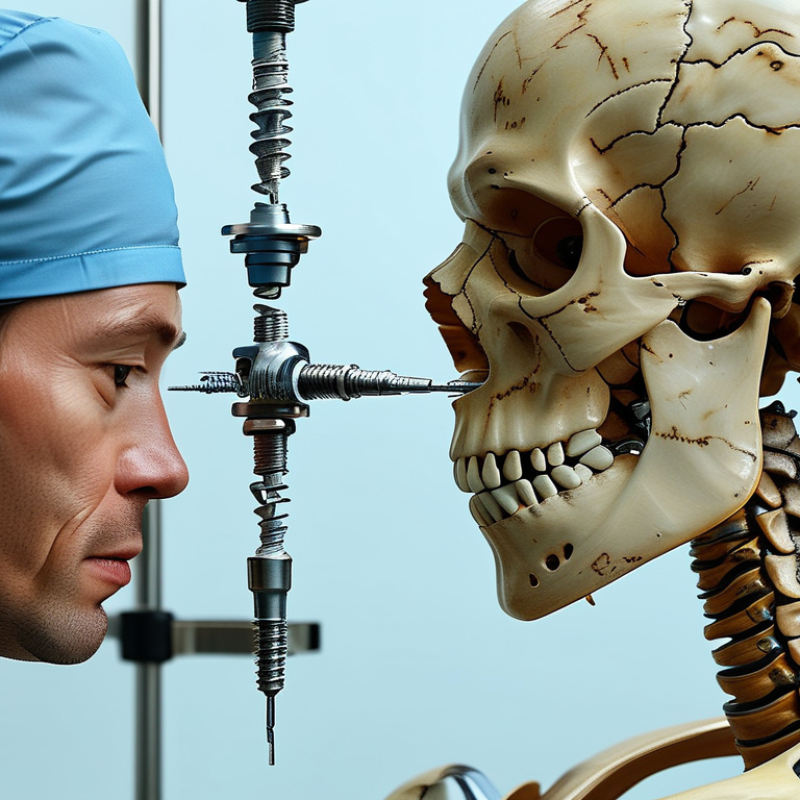
What is a Pedicle Screw System and How Does it Work?

What is a Pedicle Screw System?

A pedicle screw system is an advanced orthopedic device used primarily in spinal surgeries. It involves screws inserted into the vertebrae, facilitating spinal stabilization and correction of deformities. This system serves as a backbone for various surgical approaches, providing necessary support during recovery. According to a report published by the Global Market Insights, the pedicle screw market is projected to reach a valuation of over $1.5 billion by 2027, highlighting its growing importance in modern spinal surgeries.

The operation of a pedicle screw system relies on the accurate placement of screws into the pedicles of the vertebrae. These screws are often connected by rods or plates, creating a stable construct that limits motion at the affected spine segment. Research indicates that correct placement can enhance fusion rates and improve patient outcomes. However, improper placement can lead to complications, including nerve damage or instrument failure. Studies suggest that between 10-15% of pedicle screw placements are technically inadequate, underscoring the need for precision and skilled surgical techniques.

Despite its advantages, some challenges remain in utilizing pedicle screw systems. Variability in patient anatomy can create difficulties. Surgeons must adapt their techniques based on individual cases. Factors such as bone quality and alignment can influence surgery outcomes. Comprehensive preoperative planning and intraoperative imaging help address these concerns. Ongoing advancements in technology aim to improve accuracy, yet continuous reflection on current practices is vital for enhancing patient safety and surgical success.

History and Development of Pedicle Screw Systems

The evolution of pedicle screw systems dates back to the late 20th century. Initially, the concept emerged from the need for stronger spinal fixation methods. In 1980, the first commercial pedicle screw was introduced. It enabled surgeons to achieve better stabilization of the spine. Early systems relied heavily on the anatomy of lumbar vertebrae. They improved surgical outcomes but required extensive surgeon experience.

By the 1990s, technological advancements led to innovative designs. Studies indicated a 70% increase in fusion rates with the newer systems. Enhanced imaging techniques improved accuracy during surgeries. Nevertheless, some complications, such as screw misplacement, persisted and necessitated ongoing improvements. The push for more reliable systems continues. Current trends focus on less invasive methods and patient-specific solutions while addressing the persistent challenges in spinal surgery.

What is a Pedicle Screw System and How Does it Work? - History and Development of Pedicle Screw Systems

Dimension Details
Material Titanium or Stainless Steel
Common Usage Spinal fusion surgeries
Screw Types Cortical, Cancellous, and Pedicle screws
Development Year Introduced in the 1960s
Surgical Technique Pedicle screw placement through a guided approach
Stability Provides robust fixation in the spine
Complications Possible nerve damage, infection, or screw loosening
Recent Advancements Navigation technology and improved materials

Components of a Pedicle Screw System

A pedicle screw system is a key component in spinal surgery. It typically consists of several main parts: screws, rods, and connectors. Each screw is inserted into the pedicle of a vertebra. This placement provides a firm anchor for the spinal structure. The screws are made from strong materials, ensuring durability and stability during healing.

The connecting rods serve as a bridge between the screws. They help align the spine and maintain its proper curvature. These rods can differ in length and diameter, depending on the specific needs of the patient. Surgeons customize the system to fit the anatomical structures of each individual. Additionally, there is often a locking mechanism to secure the rods to the screws. This design prevents any movement post-surgery, which is vital for successful recovery.

Surgeons must carefully select components based on various factors, including the patient's age and condition. Variations in anatomy can pose challenges. A poorly placed screw may lead to complications. This highlights the importance of precision in choosing measurements and angles during surgery. Addressing these challenges requires experience and skill, ensuring that the pedicle screw system functions effectively in restoring spinal stability.

Mechanism of Action in Spinal Stabilization

The pedicle screw system is a crucial element in spinal stabilization. It involves the use of screws and rods that are anchored into the vertebrae. This system provides structural support, allowing the spine to maintain proper alignment during healing. The screws are inserted into the bony pedicles of the spine, which are robust and capable of holding significant loads.

Once in place, the screws are connected by rods, creating a rigid framework. This design limits spinal movement, which is essential after injury or surgery. The rigidity helps to stabilize the segment of the spine that needs support. However, there can be complications. Misplacement of screws can lead to nerve damage or inadequate stabilization. These are risks that surgeons must address during the procedure.

Surgeons utilize advanced imaging to ensure precision. However, even with technology, human error remains a factor. Each case is unique, and the anatomy of patients can vary widely. This variability can complicate the procedure and outcomes. Surgeons often reflect on their techniques and adapt based on individual experiences. Continuous learning is vital in this evolving field. The effectiveness of pedicle screw systems relies not only on their design but also on the skill of the surgeon.

Pedicle Screw System Effectiveness in Spinal Stabilization

Applications and Benefits in Spinal Surgery

The pedicle screw system plays a crucial role in spinal surgery. It stabilizes the spine by anchoring screws into the vertebral pedicles. This system is widely used for various spinal conditions, including scoliosis and spinal fractures. Surgeons appreciate its ability to provide better alignment and support.

Patients undergoing surgeries involving this system often experience reduced recovery times. The precise placement of screws improves the overall outcome. Surgeons can adjust the tension of rods connected to the screws, enhancing stability. This adaptability allows for tailored approaches for individual cases.

When approaching spinal surgery, it's helpful to consult with your doctor about the specific benefits of pedicle screw systems. Understanding the risks and benefits is key to making informed decisions. Having realistic expectations is vital, as recovery may vary. Always consider a second opinion if unsure about the surgical approach.

FAQS

: What is a pedicle screw system?

: A pedicle screw system is a device used in spinal surgeries for stabilization and correcting deformities.

How does the pedicle screw system work?

Screws are inserted into the vertebrae and connected by rods or plates for spinal support and limited motion.

What are the benefits of accurate screw placement?

Accurate placement enhances fusion rates and improves patient outcomes significantly during spinal surgeries.

What happens if screws are improperly placed?

Improper placement can lead to complications like nerve damage or instrument failure, which can affect recovery.

What challenges do surgeons face with pedicle screw systems?

Variability in patient anatomy and factors like bone quality can complicate procedures and outcomes significantly.

How has technology improved pedicle screw systems?

Advances in imaging and design have improved accuracy but some issues, like misplacement, still require attention.

What is the history behind pedicle screw systems?

Developed in the late 20th century, they evolved to enhance spinal fixation, with the first commercial system introduced in 1980.

Why is preoperative planning important?

Comprehensive planning helps address anatomical differences and enhances safety during surgery, which is vital for success.

How do surgeons ensure precision during surgery?

They use advanced imaging techniques but must also rely on their skills and experience to manage unique anatomical challenges.

What should surgeons reflect on after procedures?

Continuous reflection on techniques is necessary to enhance skills and adapt to the evolving challenges in spinal surgery.

Conclusion

A Pedicle Screw System is an essential tool in spinal surgery, designed to provide stability and support to the spine. It consists of screws anchored in the pedicles of vertebrae, connected by rods that help align and stabilize the spine during recovery. Over the years, the development of Pedicle Screw Systems has evolved significantly, leading to improved surgical outcomes and patient safety.

The mechanism of action involves securing the spinal segments, which can alleviate pain and enhance mobility for patients suffering from various spinal disorders. These systems are widely used in procedures such as spinal fusion and correction of deformities, offering numerous benefits, including reduced recovery time and improved quality of life for patients. The adoption of Pedicle Screw Systems in clinical practice underscores their importance in modern spinal surgery.

Scarlett

Scarlett

Scarlett is a dedicated marketing professional with a profound expertise in the company’s product offerings. With a passion for effective communication and a keen understanding of market trends, Scarlett plays a pivotal role in crafting high-quality, informative blog articles that are regularly......
ENQUIRE NOW