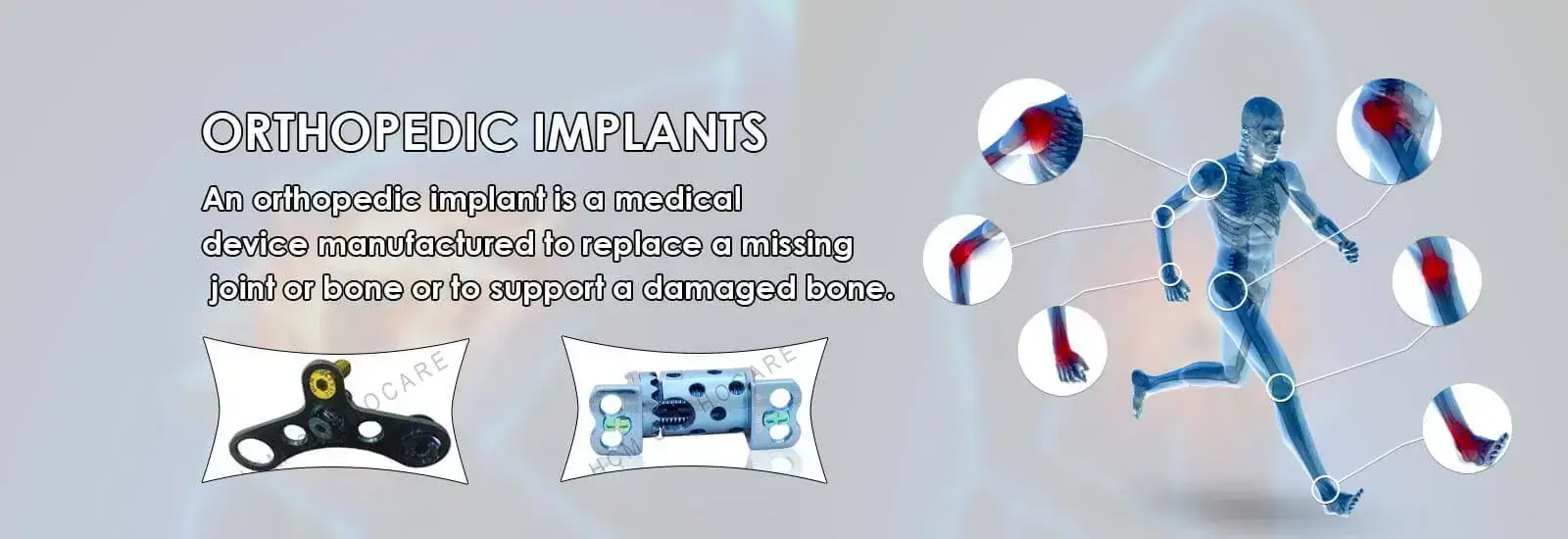

Expert articles, clinical developments, and innovation trends in orthopedic implants and trauma fixation.
In-depth coverage on biocompatible materials, implant engineering, and modern surgical techniques.
The choice of an Intramedullary Supracondylar Nail is crucial in orthopedic surgery. Dr. John Smith, a leading expert in orthopedic trauma, emphasizes, "Choosing the right intramedullary supracondylar nail can significantly affect patient recovery." This statement underscores the importance of a careful selection process, as the wrong choice may lead to complications.
In practice, the decision requires an understanding of patient anatomy and injury specifics. Factors such as the size of the nail, the fracture type, and bone quality play critical roles. Surgeons often face challenges when assessing these elements. It's essential to balance technical specifications with real-life outcomes.
Furthermore, continuing education and research in intramedullary devices can foster better outcomes. An expert's insights can guide surgeons in making informed decisions. Reflecting on previous cases reveals that even minor oversights can lead to significant issues. Thus, rigor in the selection process is fundamental for optimizing surgical results.
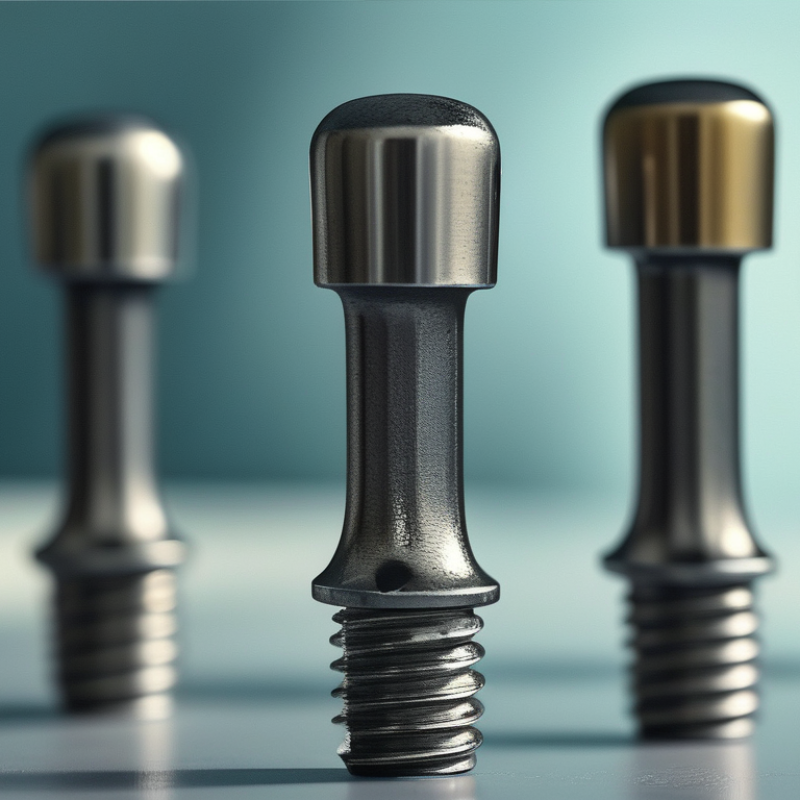
When selecting an intramedullary supracondylar nail for surgery, several critical factors come into play. The medical history of the patient is paramount. Understanding the patient's bone quality can influence the choice of the nail. For instance, osteopenic bones may require a different approach compared to stronger bones. Surgeons must assess the fracture type as well. Some fractures are complex and may necessitate a specialized nail to ensure proper alignment and stability.
Surgeons should also consider the length and diameter of the nail. A proper fit is essential to avoid complications. When the nail is too loose, it can lead to a lack of stability. Conversely, an excessively tight fit may risk causing stress fractures. The choice of locking mechanisms is another vital aspect. Locked nails provide better fracture fixation, especially in unstable fractures. However, the decision can be challenging. Unlocked nails may offer easier insertion but less overall stability.
In addition, the potential for post-operative complications must be carefully thought out. Surgeons should evaluate the risks versus benefits for each patient. Reflecting on previous cases helps in this decision. Learning from past experiences can guide the selection process. Each surgery presents unique challenges, and adapting to those nuances is essential. Ultimately, a thorough understanding of these factors leads to better surgical outcomes.
When selecting an intramedullary supracondylar nail for surgery, it’s crucial to consider the types available in the market. There are various designs tailored for specific needs. Some nails feature locking mechanisms, ensuring stability and alignment. Others may come with a specific angle for better fitment in the femoral canal. This feature can significantly impact recovery time and overall outcomes.
Material choice is another vital factor. Common materials include titanium and stainless steel. Titanium is lightweight and corrosion-resistant, making it a popular option for many surgeons. Stainless steel, on the other hand, offers excellent strength but can be heavier. Surgeons often face the challenge of balancing these properties while ensuring patient safety and comfort.
Surgeons might also need to think about the length and diameter of the nail. Each patient is unique, leading to various anatomical considerations. In some cases, nails may not fit perfectly, leading to complications. Regular feedback from users can help in making informed decisions. It's valuable to reflect on previous cases and outcomes when selecting equipment for new surgeries. Continuing education can enhance understanding of new advancements in intramedullary nailing.
Choosing the right intramedullary supracondylar nail begins with thorough patient assessment. A detailed medical history is essential. Understanding the patient’s age, activity level, and any underlying conditions can influence the nail selection process. For instance, younger patients may require a different approach compared to older individuals. Functional needs are also crucial—active patients may benefit from more dynamic options.
Preoperative planning involves imaging studies such as X-rays and CT scans. These help visualize the fracture pattern and assess bone quality. Additionally, understanding the anatomy of the distal femur will guide optimal nail size and design. This ensures that the nail fits properly, minimizing the risk of complications.
During this process, consider these insights. Evaluate whether the fracture is simple or complex. Complex fractures may require specialized nails. Also, be critical of the available options; not every nail design is suitable for every patient. Keep an open mind to adjust the plan based on intraoperative findings. Understanding these factors can lead to improved surgical outcomes and patient recovery.
Choosing the right intramedullary supracondylar nail requires precision during surgery. One crucial technical consideration involves the proper alignment of the nail. Studies have shown that misalignment can lead to complications in 15% of cases. Surgeons must ensure that the nail is inserted at the correct angle relative to the femoral canal, typically around 5-10 degrees of valgus.
Another vital factor is the selection of an appropriate size. The nail diameter should correspond to the medullary canal width to prevent fracture or migration. Reports indicate that using an oversized nail increases the risk of perioperative complications. Surgeons should measure the canal properly prior to selection, as anatomical variations can lead to errors.
Attention should be paid to the locking mechanism. A secure fixation prevents rotation and enhances stability. However, over-tightening can cause stress at the fracture site. Surgeons must find a balance to optimize outcomes. Using fluoroscopy during the procedure ensures real-time feedback, allowing for adjustments as necessary. While these technical elements are well-documented, 10-20% of surgeries still face unforeseen challenges. Continuous training and adherence to best practices can mitigate these risks.
| Consideration | Description | Recommendation |
|---|---|---|
| Patient Anatomy | Evaluate bone density, fracture location, and alignment. | Use imaging to assess and choose appropriate nail length. |
| Nail Size | Determine the correct diameter based on medullary canal size. | Select a nail that provides stability without compromising blood flow. |
| Surgical Technique | Understand the approach and positioning for optimal access. | Adopt a minimally invasive technique when possible. |
| Post-Operative Care | Manage pain and monitor for complications. | Implement a structured rehabilitation program. |
Surgical procedures involving supracondylar nails require diligent postoperative care. After surgery, monitoring the surgical site is crucial. Common issues include pain, swelling, and potential infection. Studies reveal that 10-20% of patients face complications such as infections or hardware irritation. Regular assessments can catch these early.
Patients often experience variable recovery times. Research indicates that full function may take several months to achieve. Rehabilitation protocols should include physical therapy. Approximately 25% of patients report challenges in regaining strength or range of motion. It's vital for clinicians to adjust care based on individual progress.
Follow-up visits play a significant role. They allow for timely imaging to ensure the nail remains stable. Delays in follow-up can lead to misalignment or malunion. Ideally, follow-up should occur within the first few weeks post-surgery. However, many clinics find adherence challenging, as about 30% of patients miss these appointments. Awareness and education about the importance of follow-up can improve patient outcomes.
: Consider nail design, locking mechanisms, and specific angles to ensure stability and fit in the femoral canal.
Titanium is lightweight and corrosion-resistant, while stainless steel offers strength but can be heavier.
Each patient’s anatomy is unique. An ill-fitting nail can lead to complications during recovery.
A detailed medical history helps determine the appropriate nail for the patient's age, activity level, and conditions.
X-rays and CT scans visualize fractures and assess bone quality, guiding the optimal nail size and design.
Patients may experience pain, swelling, or infection. About 10-20% face complications like hardware irritation.
Full recovery can take several months, with about 25% struggling to regain strength or range of motion.
Follow-ups help monitor nail stability. Delays may lead to misalignment or malunion.
Many patients, around 30%, miss appointments. Education on the importance of follow-up may improve outcomes.
Tailor rehabilitation and assessments based on each patient's progress and challenges during recovery.
When selecting an Intramedullary Supracondylar Nail for surgery, various factors must be considered to ensure optimal outcomes. Key considerations include the specific anatomical and pathological characteristics of the patient, which guide the choice of nail type and size. Additionally, preoperative planning plays a crucial role in determining the appropriate nail, focusing on patient assessment and the specific needs of the surgery.
During the surgical procedure, technical considerations such as proper alignment and fixation techniques are essential to achieve stability and promote healing. Following the surgery, comprehensive postoperative care and regular follow-up assessments are necessary to monitor the patient's recovery and the integration of the Intramedullary Supracondylar Nail. This holistic approach ensures that patients receive the best possible care throughout their treatment journey.